Short answer: Islama köfte is an Adapazarı dish in which sliced stale bread is soaked in a spicy pepper-and-meat broth and served with grilled meatballs. The Turkish Patent and Trademark Office registered "Adapazarı Islama Köfte" as a geographical indication on 8 January 2013. In Sapanca, Mare Gastro interprets this tradition with fish stock and baby calamari.
What Is Islama Köfte, and Where Does the Name Come From?
The name comes from the way it is served: the bread placed under the meatballs is "soaked" (ıslatılır) in a peppery, fatty broth made from bone stock. The dish was brought to the region by migrants who came from the Balkans in the 1900s and settled in Sakarya (Wikipedia, in Turkish).
| Info | Detail |
|---|---|
| Region | Adapazarı, Sakarya |
| Origin | Balkan migrants in the 1900s |
| Geographical indication | "Adapazarı Islama Köfte", 08.01.2013, Turkish Patent and Trademark Office |
| Serving | Hot; with salad, mezes and ayran |
What Are the Ingredients of Islama Köfte?
The classic recipe has two parts: the meatballs and the soaked bread.
| Part | Ingredients |
|---|---|
| Meatballs | Ground veal (rib and brisket), onion, crumb of leavened stale bread, cumin, black pepper, chili flakes, salt |
| Soaking | Thinly sliced stale bread, veal bone stock, red pepper, oil, salt |
It matters that the bread is stale and leavened: fresh bread falls apart when it absorbs liquid, while stale bread takes up the stock and browns lightly on the grill. The bread is dipped in the stock, turned on the grill together with the meatballs and served hot.
How Is Islama Köfte Eaten?
Islama köfte arrives as a plated dish: soaked bread underneath, meatballs on top, with roasted peppers and salad on the side. Ayran is the most common drink alongside. Because the bread soaks up the juices and fat of the meatballs, it is the favorite part of the plate; it is eaten by taking some with the meatball on the fork.
In the region, islama köfte is usually eaten as lunch at neighborhood eateries. Eker Lokantası, serving in central Sapanca since 1976, is one of the addresses known for its islama köfte (yemek.com, in Turkish).
How Do You Make Islama Köfte at Home?
The steps below are a general method based on the traditional ingredient list on Wikipedia; quantities may vary in a home kitchen.
- Prepare the meatball mixture. Knead the ground veal thoroughly with grated onion, stale bread crumb, cumin, black pepper, chili flakes and salt; rest it in the refrigerator for at least an hour.
- Prepare the bone stock. Boil the veal bones and strain; add red pepper, a little oil and salt to the stock and keep it hot.
- Slice the bread. Cut leavened bread left over from the day before into thin slices.
- Cook the meatballs. Cook the flat meatballs on a grill or in a cast-iron pan, browning both sides.
- Soak the bread. Dip the bread slices briefly in the hot stock and turn them lightly on the grill.
- Serve. Lay the bread on the plate and put the meatballs on top; serve with roasted peppers, salad and ayran.
How Does It Differ from Other Geographically Indicated Köftes?
Many cities in Turkey are known for their own köfte. What sets islama köfte apart from the others is less the meatball itself than the soaked bread underneath.
| Köfte | City | Distinguishing feature |
|---|---|---|
| Islama köfte | Sakarya (Adapazarı) | Served on bread soaked in meat stock |
| İnegöl köfte | Bursa | Plain, lightly spiced, small and long meatballs |
| Tekirdağ köfte | Tekirdağ | Cumin-flavored; usually with piyaz and hot pepper |
| Akçaabat köfte | Trabzon | Garlicky, kneaded with bread crumb |
How Does Mare Gastro Interpret the Islama Tradition?
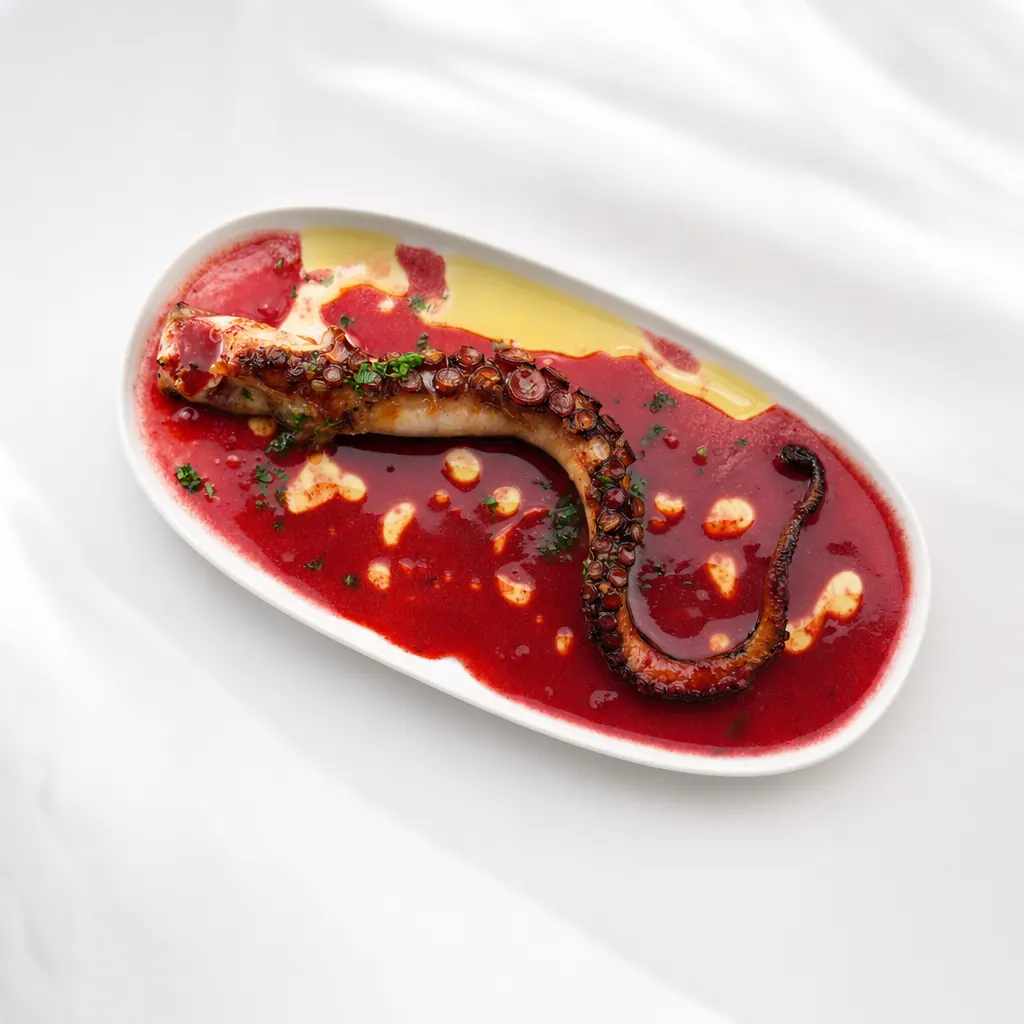
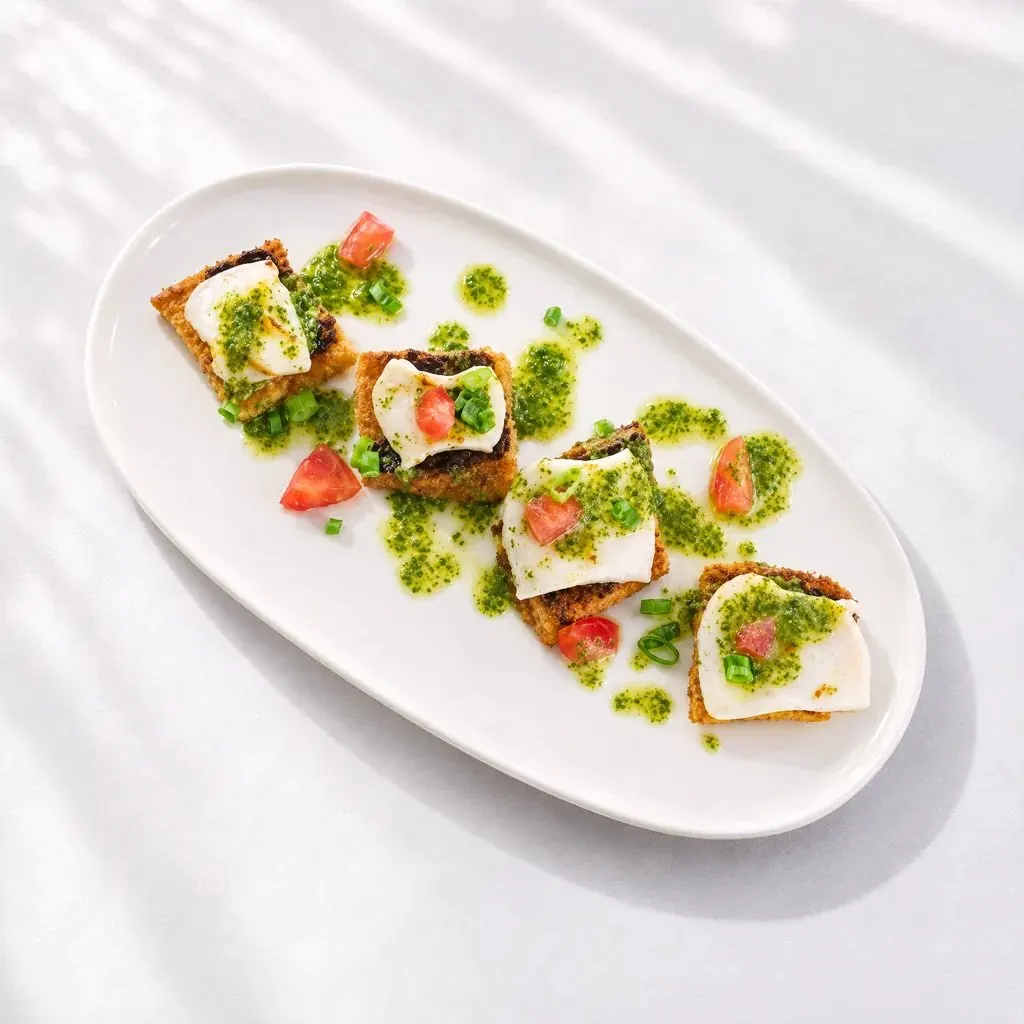
Executive Chef Doğan Anapa brought the islama technique together with the sea: in the Mare Special Grilled Baby Calamari the bread is soaked in fish stock instead of bone stock, topped with three grilled baby calamari, a mint-mustard sauce and diced tomato. The dish is in the Warm Small Plates section of the menu and is also part of the Trio of Seafood Delights plate.
| Classic islama köfte | Mare Special Grilled Baby Calamari | |
|---|---|---|
| Main ingredient | Ground veal meatballs | 3 grilled baby calamari |
| Soaking liquid | Veal bone stock, red pepper | Fish stock |
| Sauce | Peppery meat stock | Mint-mustard sauce, diced tomato |
| Where to eat it | Eateries in Adapazarı and Sapanca | Mare Gastro, Sapanca (warm small plate) |
You can watch how the dish is prepared in the chef's own words:
What Do You Drink with Islama Köfte?
The traditional companion is ayran. The Mare Special Grilled Baby Calamari has a fresher pairing: white wine or rakı. The acidity of the mint-mustard sauce and the tomato goes well with the aniseed flavor of rakı. We covered which mezes can sit beside it on a rakı table in our meze guide.
Where Can You Eat Islama in Sapanca?
For classic islama köfte, the neighborhood eateries in Adapazarı and Sapanca; for the seafood interpretation, Mare Gastro in the garden of Didi Otel, right next to the lake. You can read about the region's other local flavors in our post on what to eat in Sapanca and about the chef's other signature dishes in our signature dishes post. Mare Gastro is open 09:00–00:00 Tuesday to Sunday; you can book your table through the reservation form.
4 Tips for Eating Islama Köfte Properly
- Eat it hot. As the bread cools it soaks up the stock and its texture turns heavy.
- Don't skip the bread. The character of the dish is in that bread, which absorbs the fat and the stock of the meatballs.
- Adjust the heat with the pepper. Roasted peppers come on the side; those who don't like heat can ask for the stock to be made with less pepper.
- Balance it with ayran. A rich, spicy plate finds its best balance with cold ayran.
If you would like to come to Sapanca for islama köfte and spend the evening right next to the lake, directions and parking information are in our post on how to get to Mare Gastro.
From the Balkans to Sakarya: The Story of Islama
Sakarya is one of the provinces whose population and cuisine were shaped by migration from the Balkans and the Caucasus in the late 19th and early 20th centuries. Islama köfte is one of the traces that migration left on the cuisine: the köfte tradition brought by Balkan migrants merged in Adapazarı with bread soaked in meat stock and took its present form. That flavors from the Caucasian kitchen, such as Circassian cheese and Circassian chicken, also live on in the same region shows the mixed origins of Sakarya cuisine.
An Islama Day on a Sapanca Trip
A simple plan for anyone who wants to try islama in two different interpretations on the same day:
| Time | Plan |
|---|---|
| Lunch | Classic islama köfte and ayran at a neighborhood eatery in Sapanca or Adapazarı |
| Afternoon | A walk around the lake; the Kırkpınar coast road |
| Evening | Mare Special Grilled Baby Calamari as a warm small plate at Mare Gastro, followed by a fish or meat dish |
You can book your table for dinner through the reservation form; the restaurant is open until 00:00 Tuesday to Sunday.
How Do You Eat the Mare Special Grilled Baby Calamari?
The trick of the dish is to take the bread together with the calamari: the bread, which has soaked up the fish stock, brings the smoky taste of the grill and the acidity of the mint-mustard sauce together in one bite. Since the three calamari can be split in two and shared, it comfortably serves two to four people on a meze table; for larger tables it is also part of the Trio of Seafood Delights plate.
5 Things to Know About Islama Köfte
- It takes its name not from the köfte but from the soaked bread underneath.
- "Adapazarı Islama Köfte" was registered as a geographical indication on 8 January 2013.
- In the traditional recipe the bread is soaked in veal bone stock; red pepper and fat are added to the stock.
- The bread being stale and leavened matters for the texture.
- In the region it is usually eaten at lunch, with ayran and salad.
The source of this information is the Islama köfte article on Wikipedia (in Turkish); geographical indication registrations are made by the Turkish Patent and Trademark Office.