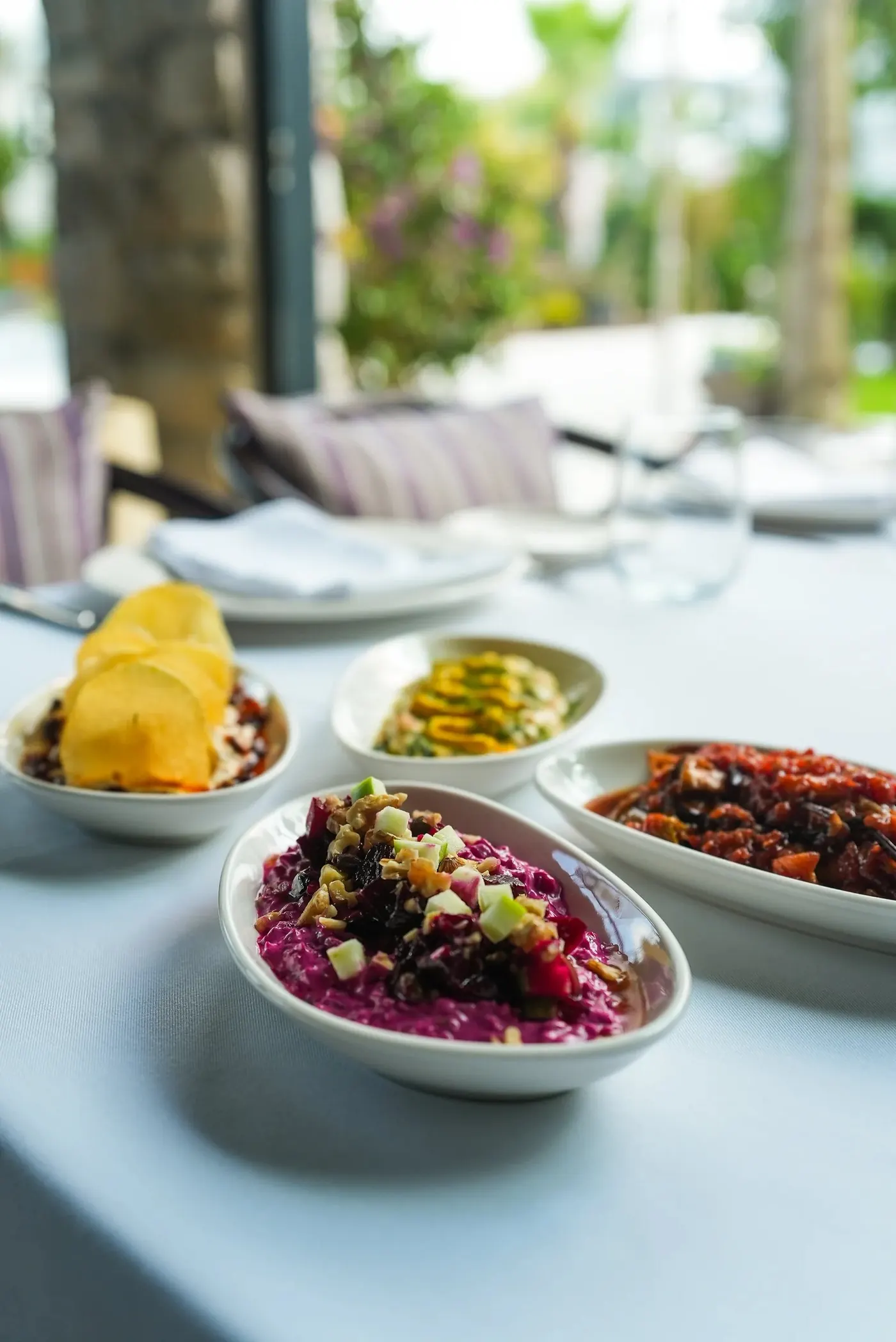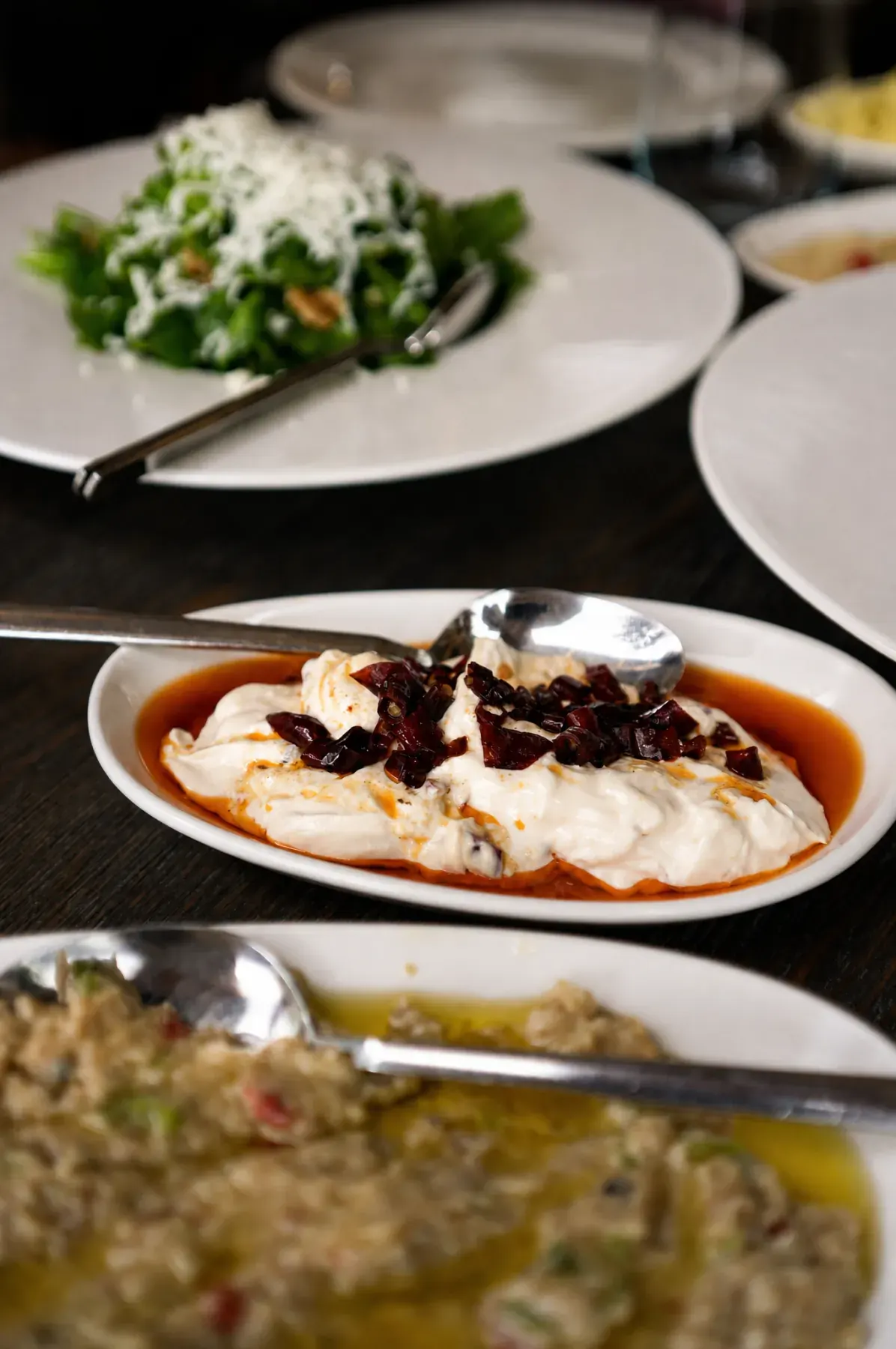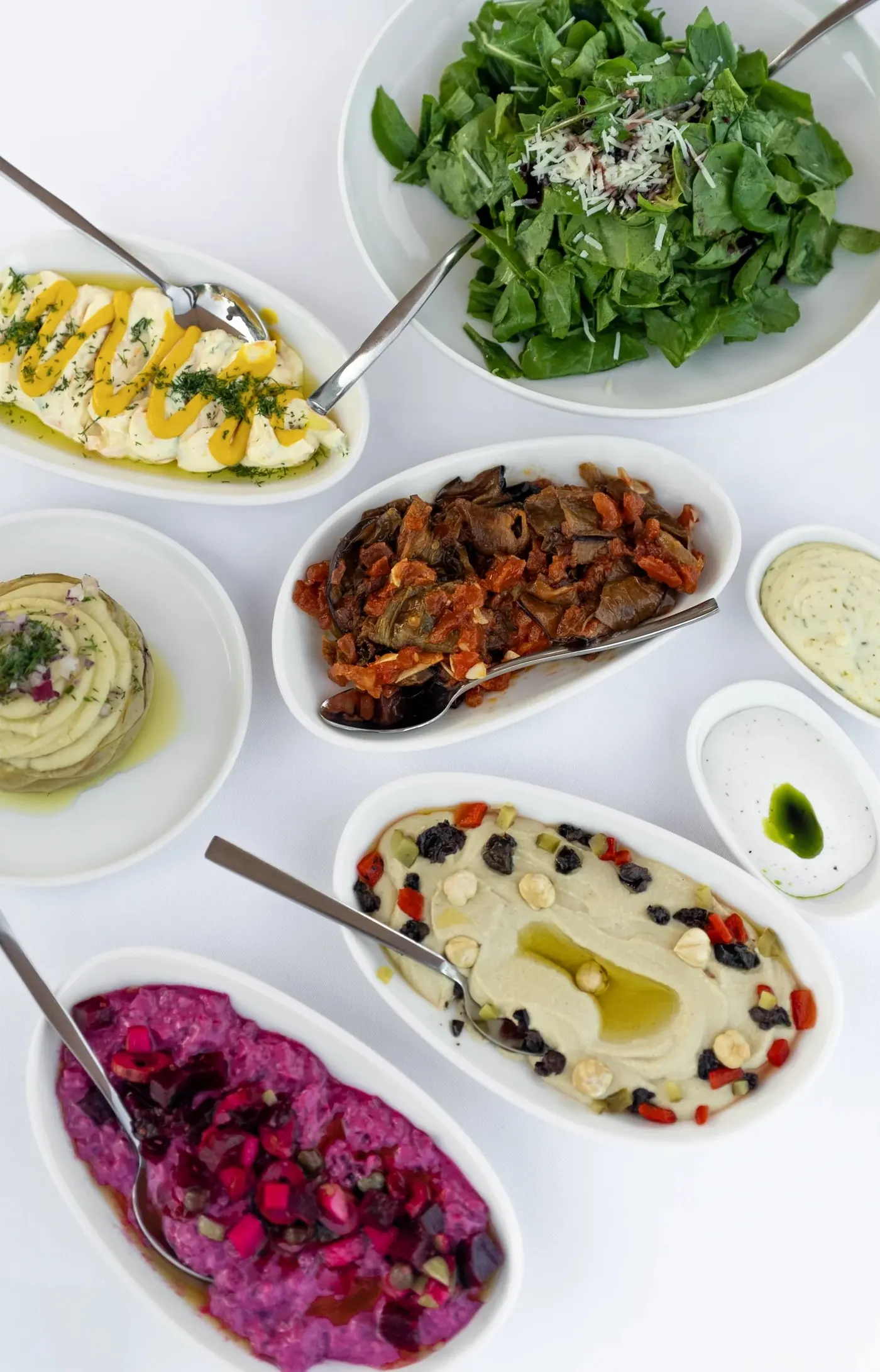
Short answer: Aegean cuisine is a regional Turkish cuisine that puts olive oil, wild greens, vegetables and seafood front and center, cooked in simple ways. Mediterranean cuisine is the shared table of a much wider basin, from Italy to Greece and from Spain to Morocco; UNESCO inscribed the "Mediterranean diet" on its intangible cultural heritage list in 2010.
What Are the Main Features of Aegean Cuisine?
Four elements define Aegean cuisine: olive oil, greens, seasonal vegetables and the sea. In the region, olive oil is used not only in vegetable dishes but in meat too; vegetables are often cooked by "sweating" them in olive oil rather than in water (yemek.com, in Turkish). Boiling, sautéing, baking and olive-oil cooking are preferred over frying.
- Olive-oil dishes: artichoke, green beans, stuffed vine leaves, fava
- Greens: chicory, nettle, radish greens, samphire, asparagus
- Seafood: grilled fish, octopus, calamari, shrimp
- Cheese and yogurt: Ezine cheese, haydari, cacık
What Is the Difference Between Mediterranean and Aegean Cuisine?
The two concepts overlap but are not the same thing. Aegean cuisine is a regional cuisine of Turkey's western coasts, while Mediterranean cuisine describes the shared table of many countries that share the same climate and vegetation. UNESCO inscribed the Mediterranean diet in 2010 on behalf of Spain, Greece, Italy and Morocco; Cyprus, Croatia and Portugal were added in 2013 (UNESCO).
| Aegean cuisine | Mediterranean cuisine | |
|---|---|---|
| Scope | The Aegean coasts of Turkey | Countries of the Mediterranean basin |
| Main fat | Olive oil | Olive oil |
| Highlights | Greens dishes, olive-oil dishes, mezes | Grains, legumes, vegetables, fish, wine culture |
| Cooking | Simple; boiling, sautéing, baking | Varies by region; generally simple |
| Table culture | Shared mezes, rakı | Sharing and long tables |
The Seasons in Aegean Cuisine
Aegean cuisine lives by the season; the same restaurant's menu fills with greens in spring and with fish and mushrooms in autumn. The table below shows the products that generally come to the fore on regional tables by season.
| Season | Highlighted products | On the table |
|---|---|---|
| Spring | Artichoke, fresh fava beans, asparagus, wild greens | Artichoke in olive oil, sautéed greens |
| Summer | Tomato, zucchini blossoms, samphire, purslane | Stuffed vegetables, salads, grilled vegetables |
| Autumn | Bonito, mushrooms, chestnuts, pumpkin | Fish, baked dishes |
| Winter | Cabbage, leeks, citrus, horse mackerel | Leeks in olive oil, orange mezes |
The traces of this cycle are on Mare Gastro's November 2026 menu: Bonito Carpaccio and Grilled Bonito Meatballs, Potato Terrine with chestnut mushrooms, Chestnut-Filled Pasta in Pumpkin Sauce, Crete-Style Cheese Spread with strained orange. You can watch the chef's autumn plate in this video on Instagram.
Why Are Olive-Oil Dishes Eaten Cold?
Olive-oil vegetable dishes are traditionally served at room temperature or cold. As olive oil cools its flavor softens and the vegetable takes on the sauce; the dish tastes better a day later. That is why olive-oil dishes sit on the Aegean table before the main course as mezes and get along well with rakı or white wine.
What Do You Eat at an Aegean-Mediterranean Table?
A typical table opens with cold olive-oil dishes, continues with a plate of greens or vegetables and peaks with grilled fish or lamb. Dessert is usually light: seasonal fruit or a simple milk-based sweet.
How Does Mare Gastro Interpret Aegean-Mediterranean Cuisine?
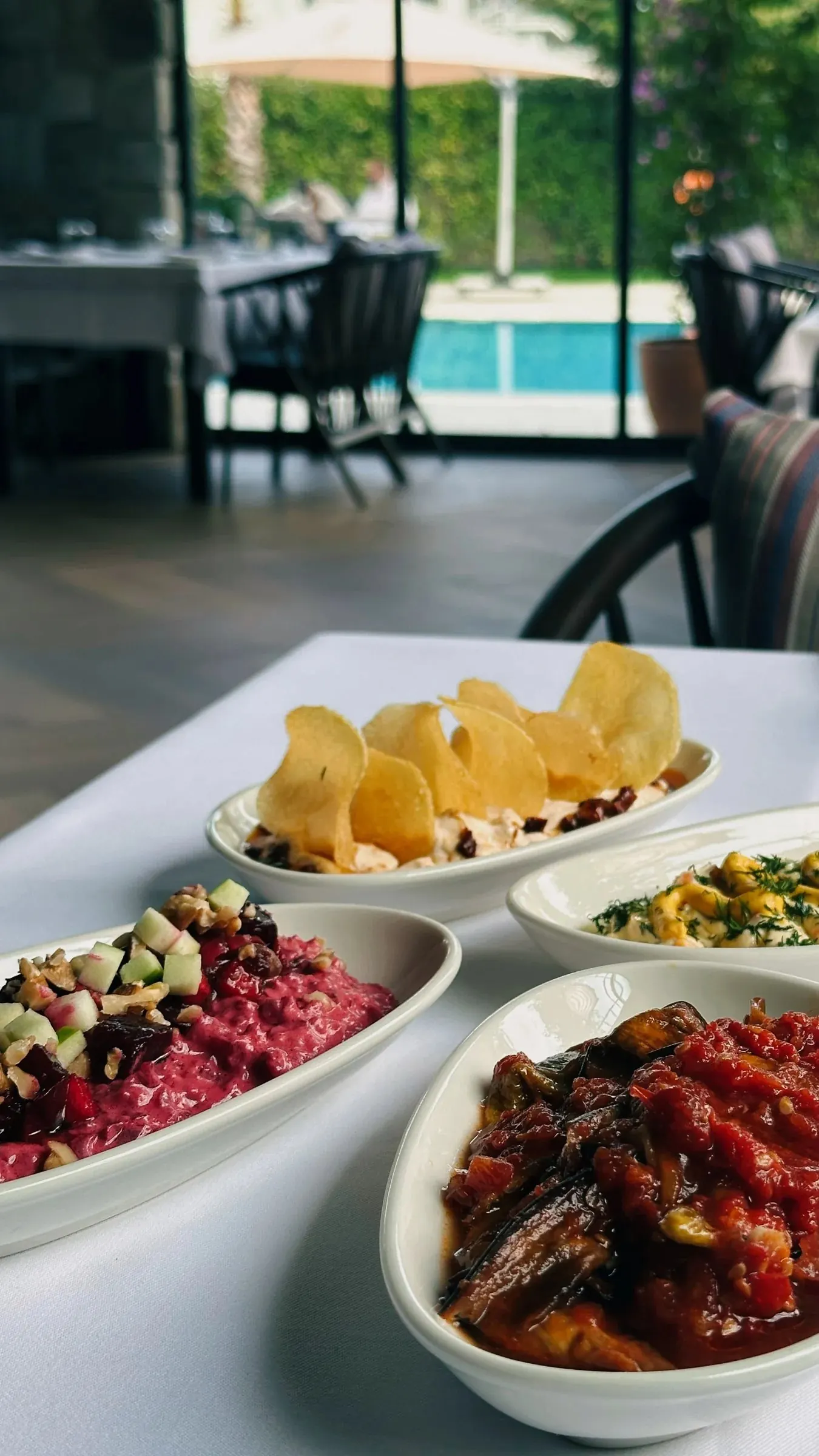
Sapanca is a lake town, while Mare Gastro's kitchen takes its name from the Mediterranean ("mare" means sea). Executive Chef Doğan Anapa brings Aegean-Mediterranean technique together with local products from Marmara and Sakarya. The table below shows which Aegean-Mediterranean element each dish on the menu carries.
| Dish (on the menu) | Aegean-Mediterranean element | Local touch |
|---|---|---|
| Artichoke of the Day in Olive Oil | Olive-oil cooking | Circassian cheese mousse |
| Crete-Style Cheese Spread, Beetroot, Orange | Aegean meze | Strained orange cheese |
| Seafood Wheat Risotto | Seafood, simple cooking | Aged Thracian kaşar instead of Parmesan, wheat berries as in aşure |
| Mare Special Grilled Baby Calamari | Grilled seafood | The Adapazarı islama tradition |
| Mare Special Meagre Fish | Baked fish, roasted vegetables | Rock sea bass, roasted green pepper sauce |
| Purslane Salad | Greens salad | Tulum cheese, strawberries, walnuts |
You can watch the chef explain how the wheat risotto is prepared:
Where Marmara Meets the Aegean: Sapanca's Products
Sapanca is not in the Aegean but in eastern Marmara; yet the products of Sakarya and its surroundings suit Aegean-Mediterranean cuisine very well. These local traces are clearly visible on Mare Gastro's menu:
- Circassian cheese: From the region's Circassian culinary tradition; a mousse in the artichoke in olive oil, smoked on the cheese plate, the main ingredient in the cheesecake.
- Hazelnut: On top of the hummus; Sakarya is one of the hazelnut-growing provinces.
- Karasu asparagus: A local product that meets rock sea bass on the summer menu.
- Islama and keşkek: Adapazarı's islama tradition is interpreted with calamari, and keşkek with slow-cooked lamb shank.
Is Aegean-Mediterranean Cuisine Healthy?
The Mediterranean style of eating, built on vegetables, fruit, legumes, whole grains, fish and olive oil, is one of the patterns often recommended in nutrition guides. A restaurant evening is of course not a diet program; but a table built from olive-oil dishes, green salads and grilled fish ends up much lighter than a menu of heavy sauces.
We covered choosing mezes in our meze guide, and the options without meat or fish in our post on vegetarian-friendly dining.
Where Can You Eat Aegean-Mediterranean Cuisine in Sapanca?
Mare Gastro is in the garden of Didi Otel, right next to Lake Sapanca, and is open 09:00–00:00 Tuesday to Sunday. Current dishes are on the digital menu, and the chef's story is in our post on who Chef Doğan Anapa is. You can book your table through the reservation form.
5 Tips for Setting an Aegean Table at Home
- Start with a good extra virgin olive oil. Much of the flavor of an Aegean table comes from the olive oil.
- Sweat the vegetables in olive oil. Cooking over low heat in olive oil before adding any water preserves color and flavor.
- Add acid. Lemon, pomegranate molasses or vinegar lightens the plate.
- Leave the herbs for last. Dill, parsley and mint added just before serving keep their aroma.
- Prepare the mezes a day ahead. Olive-oil dishes get tastier as they rest.
What Do You Drink at an Aegean-Mediterranean Table?
The two classic companions of the Aegean table are rakı and white wine. Rakı goes with white cheese, melon and olive-oil mezes; white wine suits fish, seafood and plates with greens. Red wine comes to the fore mostly with lamb and baked dishes. Mare Gastro's list has 32 wines, including wines from Urla and the Aegean vineyards, and 31 rakı options (November 2026); details are in our post on alcohol-serving restaurants.
3 Common Misconceptions About Aegean and Mediterranean Cuisine
- "Mediterranean cuisine is just salad." No; fish, lamb, legumes and grains are at the center of this cuisine too.
- "Olive-oil dishes means oily." Olive oil is the cooking medium; a properly cooked olive-oil dish is light and fresh.
- "Aegean cuisine can only be eaten in İzmir." Its technique and approach to ingredients can travel anywhere; at Mare Gastro in Sapanca this is done with local products.
An Aegean-Mediterranean Evening at Mare Gastro: A Sample Table
From the menu, a suggested table that brings the four elements of Aegean-Mediterranean cuisine (olive oil, greens, sea, season) together in one evening (November 2026):
| Stage | Dish | Element |
|---|---|---|
| Meze | Artichoke of the Day in Olive Oil, Crete-Style Cheese Spread | Olive oil, cheese |
| Salad | Purslane Salad | Greens, season |
| Warm small plate | Mare Special Octopus Casserole | Sea |
| Main course | Mare Special Meagre Fish or Seafood Wheat Risotto | Sea, roasted vegetables, local cheese |
| Dessert | Crispy Pumpkin Dessert (clotted cream, tahini, walnuts) | Season |
You can book your table through the reservation form.